Occupational Health & Safety: Tackling Lifestyle Stress Among Young Professionals
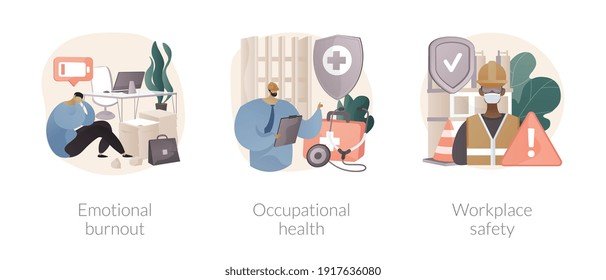
Modern workplaces promise opportunity — but come with invisible costs: stress, burnout, and imbalance.
India’s young workforce is the backbone of its digital economy, yet it faces rising health risks. From extended screen time to mental fatigue and sedentary lifestyles, occupational health has become a critical priority. Balancing productivity with wellness is no longer optional — it’s essential for sustainable success.
🏢 The Modern Workplace Health Paradox
Start-ups and corporate offices are evolving fast, but health awareness often lags behind. Studies by NIMHANS and WHO reveal that over 45% of Indian professionals experience work-related stress, while 26% report burnout symptoms before the age of 35. The causes? Unrealistic deadlines, digital overload, and poor work-life boundaries.
🧠 Lifestyle Stress & Mental Health
Constant multitasking, competition, and financial insecurity have made stress a silent epidemic. Chronic stress leads to hypertension, anxiety, sleep disorders, and even depression. In cities like Bengaluru and Gurgaon, cases of workplace burnout have doubled in just five years.
- Burnout Symptoms: Fatigue, loss of motivation, irritability, and detachment.
- Prevention: Mindful breaks, flexible hours, and mental health support systems.
💺 Ergonomics & Physical Health
Long sitting hours and poor posture contribute to back pain, eye strain, and obesity. Corporate wellness experts now emphasize ergonomic setups, standing desks, and movement reminders during work hours.
📈 The Cost of Ignoring Workplace Health
WHO estimates India loses $100 billion annually to lifestyle-related diseases and productivity loss. Burnout impacts not just employees but the national economy — leading to higher absenteeism and lower innovation.
💡 Corporate Wellness: A Rising Trend
Companies are realizing that health is ROI. Initiatives like “Fit India at Work,” yoga sessions, and digital detox programs are becoming the norm. Forward-thinking firms like TCS, Infosys, and Wipro have dedicated wellness departments now.
- Employee Assistance Programs (EAPs) for counselling
- On-site health checks and mental health first-aid
- Hybrid work models encouraging flexibility
🌿 Building a Culture of Wellness
True occupational health goes beyond safety protocols — it’s about creating psychological safety, empathy, and purpose-driven leadership. When organizations care for well-being, productivity naturally follows.
🚀 The Future of Work & Health
The future workplace will blend technology with empathy. AI-driven health analytics, wearable trackers, and digital counselling platforms like Mindsight and YourDOST are shaping the next generation of workplace wellness.
A healthy workplace is not built by hours worked — but by lives well lived. The real success metric is balance, not burnout.
Frequently Asked Questions on Workplace Health
💻 What are the most common workplace health issues?
Back pain, eye strain, anxiety, and fatigue are the top reported issues among corporate employees in India.
🧘 How can companies manage stress effectively?
By introducing wellness programs, mental health counselling, yoga breaks, and limiting after-hours work communication.
📉 Why is occupational safety important?
It prevents injury, illness, and burnout — improving morale, retention, and company performance in the long term.